
UNN Research Team at Dissemination Event and Media Engagement Highlights Realities of Nigerian Returnees

UNN Team and CSOnetMADE at Ozisa FM, Owerri, Nigeria. Source: Ngozi Uzomah (2025)
Owerri, Imo State – November 27, 2025
The University of Nigeria, Nsukka (UNN) research team has unveiled groundbreaking findings from the GAPs Project, shedding light on the lived realities of Nigerian returnees. The dissemination event, hosted at Rockview Hotel in Owerri, brought together academics, government officials, civil society organizations, traditional leaders, and media representatives to discuss the challenges and resilience of returnees.
Harsh Realities of Return
Surveying 288 returnees, the UNN team revealed sobering insights. Many migrants are returned to places other than their origin, complicating reintegration. Unemployment and precarious self-employment dominate the landscape, with 129 respondents reporting no monthly income and most earning less than ₦100,000 ($67). Although 243 attempted business start-ups, dissatisfaction was widespread. Housing insecurity was common, and 41 percent of respondents had been detained abroad before deportation. Despite these challenges, returnees demonstrated remarkable hope and resilience, often rooted in family ties and religious faith. Yet depression symptoms and stigma remain pressing concerns. Poor security abroad and unwelcoming attitudes were identified as the strongest drivers of return.
Stakeholder Proposals
At the Owerri event, stakeholders outlined practical solutions to address these challenges. They called for alternative pathways to return, including expanded regularization and asylum options supported by international legal frameworks. Community reintegration strategies were emphasized, such as awareness campaigns, trust funds, and returning migrants to airports closer to their communities. Economic reintegration proposals focused on skills training, recognition of skills gained abroad, and support for chosen trades. Psychological reintegration was highlighted as equally critical, with calls for discreet mental health services embedded within community and religious structures.
Outlook
The study concludes that while returnees remain hopeful and resilient, systemic neglect risks eroding these strengths. Trauma-informed policies, community-driven support, and alignment with states of origin are essential to prevent re-migration and to harness the potential of returnees for national development.

Breakout Session with Group 1. Source: Ngozi Uzomah (2025)
Attendance and Grassroots Engagement
The UNN GAPs research team was led by Dr. Ngozi L. Uzomah (Principal Investigator), with Prof. Ignatius A. Madu and Prof. Chukwuedozie K. Ajaero as team members. Chief Jeto Nwadi of CSOnetMADE partnered in organizing the event. Distinguished attendees included Prof. John D. Njoku (FUTO), Commander Toochukwu Ezejiegu (NAPTIP Imo State Command), Dr. I. A. Onyekwere (Director, Center of Population Studies, Imo State University), Prof. O. Arisiukwu (Dean, Faculty of Management, Arts and Social Sciences, University of Agriculture and Environmental Science, Umuagwo), Mrs. Angela Njoku (Permanent Secretary, Ministry of Special Projects), Omeoga Ugomma (Ministry of Niger Delta and Intelligence), Benjamin Omorogieva Uwagboe (Deputy Comptroller of Immigration), alongside CSOs, returnees, and media outlets such as NTA and Ozisa FM. In recognition of local traditions, Eze Possible Austin Uche, the traditional ruler of Umuonyeche Autonomous Community in Owerri, offered the opening prayer, reinforcing the importance of cultural values in migration governance.
Following the event, participants proceeded to Ozisa FM to drive the insights to the grassroots. At the radio engagement, Prof. Madu emphasized the need to entrench good governance to reduce desperate emigration. Dr. Uzomah echoed the importance of regularizing those in irregular status to benefit from their contributions to society. Prof. Ajaero advocated for expanding regular migration pathways, while Chief Nwadi stressed decentralizing and localizing migration governance to communities for effective human and national development.
Final Reflection
The Owerri dissemination event spotlighted both the struggles and resilience of Nigerian returnees. It underscored the urgent need for coordinated policies, community engagement, and academic research to transform returnees’ experiences from vulnerability into opportunity. While the resilience of returnees is commendable, the event also raised concerns about the highhandedness sometimes associated with European Union migration management practices, particularly in deportation and return processes. Such approaches risk compounding trauma and undermining reintegration efforts. The GAPs Project emphasizes that Nigeria’s path forward must be grounded in humane, inclusive, and sustainable migration governance, and calls for international partners, including the EU, to adopt more balanced, cooperative, and rights-respecting strategies that align with local realities and protect the dignity of returnees.
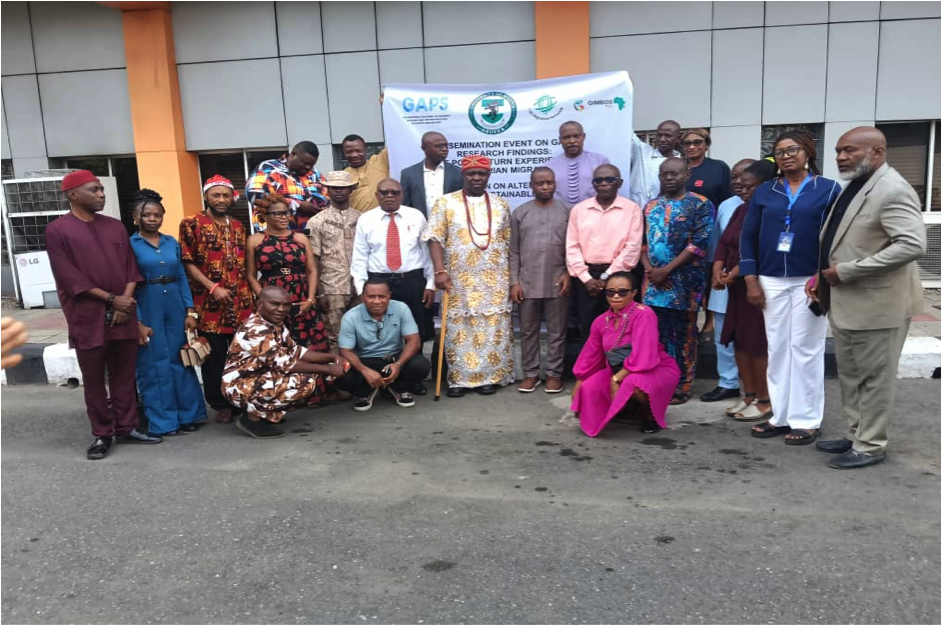
Cross Section of Some of the Participants. Source: Ngozi Uzomah (2025)
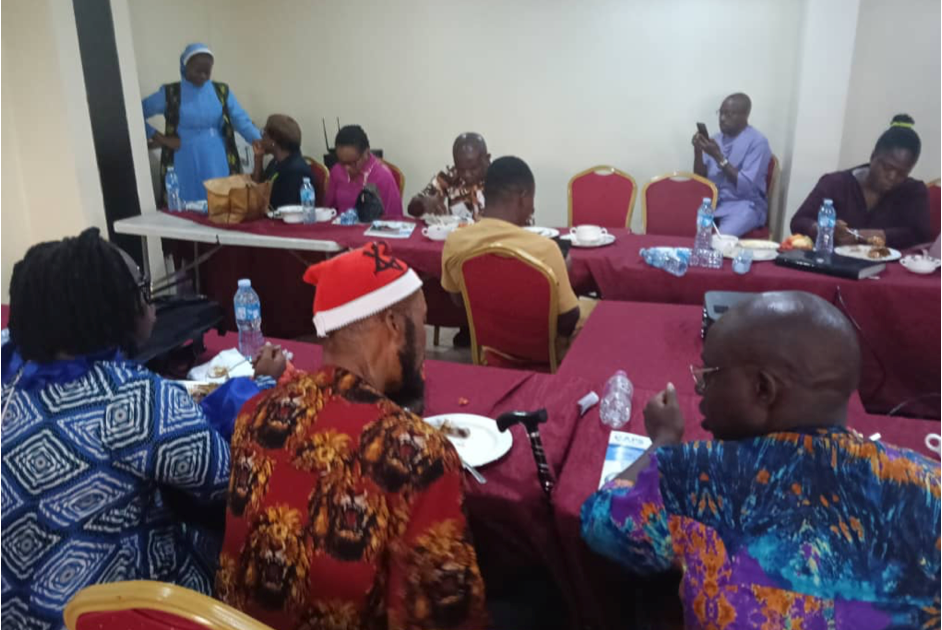
Participants Network During Tea Break. Source: Ngozi Uzomah (2025)